Latest post · 4 November 2026
When life is so full of living
On moving into my 21st home!
Read on Substack →Useful things
A slowly growing collection of things I actually use and recommend for life’s disorienting dilemmas. Expect practices, books, apps, and honest stories.
A practice
When I was first diagnosed, I didn’t know what to do. The big picture was too overwhelming to look at. So I had to start small. I asked myself these three questions:
I couldn’t control the medical timeline or the sudden uncertainty. But I could control where I spent my energy. I offer you this practice of asking these three questions today. Let’s make this human and doable.
A practice
When life gets loud or I feel a little off, here is the 5-step body scan I use to check in.
I have learned to pause and trust what my body is feeling. You cannot think your way out of a disorienting dilemma. Feeling your way through provides a good path.
Here is the practice I use to figure out what I am actually feeling in the moment:
A book
I loved this book. It made me laugh, but it is also deeply serious. Broken Brains is a personal book about physical brain health and mental brain health, and how they coexist in two very different spaces. If you are in the messy middle of a health recovery, this one is for you.
An app
When life gets loud, finding steady ground can feel impossible. I’m a certified yoga and meditation teacher, but I know that sitting for an hour is not always doable when you are in the messy middle of a transition.
That’s why I recommend the Insight Timer app, and specifically Tara Brach’s “Pause for Presence” meditation. It is a tiny next step you can take to gently ground your nervous system. You don’t need to clear your mind completely. You just need a few minutes to pause, breathe, and remember that we can do hard things.
A story
I sat down with Brain Cancer Australia to share my story. In the piece, I talk about the messy middle of navigating recovery while becoming a mum, and realising my old ways just didn’t fit anymore. Here is the truth: post-treatment is a whole new job. You aren’t doing it wrong if you feel lost; you are just in transition.
If you’re in the messy middle of an identity shift or a health recovery, I shared some of my most honest moments in this piece to remind you of one thing: this isn’t the end of your story.
For the days you need more than a quick tool, my Substack is where I unpack and explore those moments in long form.
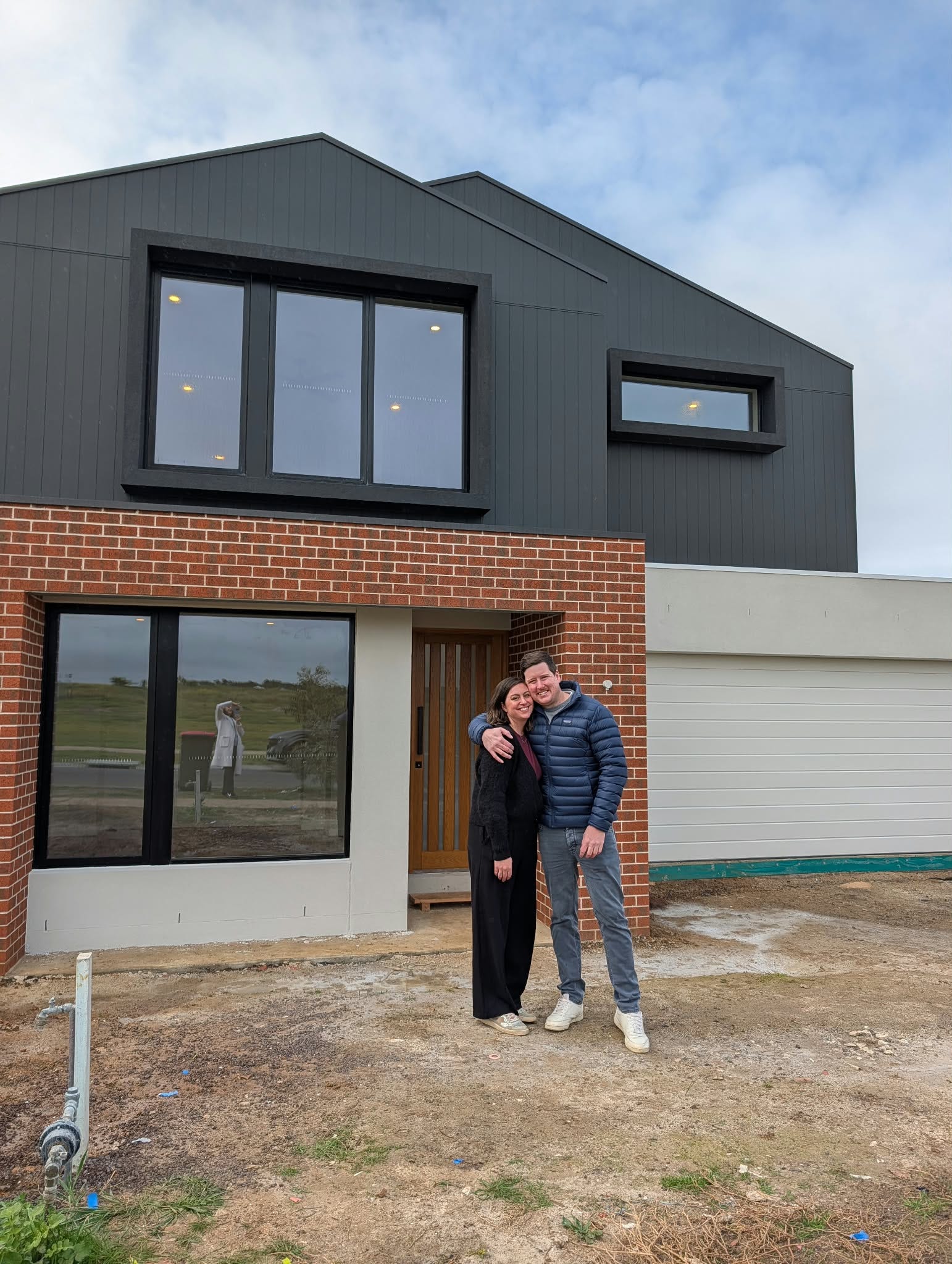
Latest post · 4 November 2026
On moving into my 21st home!
Read on Substack →This page will keep growing, gently. If something here helped, or if there’s something you wish existed, I’d love to hear about it. Sign up to my mailing list to hear about upcoming things and receive new resources. I value this community and deeply respect your privacy.